Chaz Truog Home

Category

Creative Life

23 articles

What to Show the World and What to Keep for Yourself

What to Show the World and What to Keep for Yourself

Building in public has become almost a default setting for modern creators — but sharing everything can quietly hollow out the mystery that makes finished work hit hard. The real question isn't whether to be transparent, it's learning which parts of your process are yours to keep.
When Collaboration Becomes the Longest Way to Avoid Yourself

When Collaboration Becomes the Longest Way to Avoid Yourself

Collaboration gets celebrated almost unconditionally in creative culture — but sometimes the urge to work with others is really just a well-disguised way of escaping the harder, lonelier work of developing your own singular voice. Knowing the difference is more important than most creators want to admit.

They Weren't Supposed to Find It — And That Changed Everything

They Weren't Supposed to Find It — And That Changed Everything

Sometimes the most meaningful response to your work comes from people who were never on your radar. When your art lands in the wrong hands and somehow feels exactly right to them, that's not a mistake — it might be the most honest thing your work has ever done.

When the Work Starts Writing You Back

When the Work Starts Writing You Back

There's a strange tipping point in any creative project where you stop being the only one steering. The thing you made starts pushing back — reshaping your instincts, your values, even your sense of self. Learning to let that happen might be the most important skill nobody ever teaches you.

You're the First Censor: What Happens Before Anyone Else Even Sees Your Work

You're the First Censor: What Happens Before Anyone Else Even Sees Your Work

The most powerful editor in your creative life isn't a critic, a client, or a comment section — it's you, working quietly before anything ever leaves your hands. Most creators never realize how much they're trimming, softening, and redirecting their own work before a single outside eye lands on it. This piece digs into why the work that scares you most is usually the work that matters most.

Nobody's Watching Yet — And That's the Best Thing That Could Happen to You

Nobody's Watching Yet — And That's the Best Thing That Could Happen to You

There's a strange kind of freedom in making work that no one has asked for and no one is waiting on. Before the audience shows up, before the algorithm weighs in, you get a window of creative privacy that most people don't recognize as the gift it actually is. The artists who made the most of that window? You can usually hear it in everything they do.

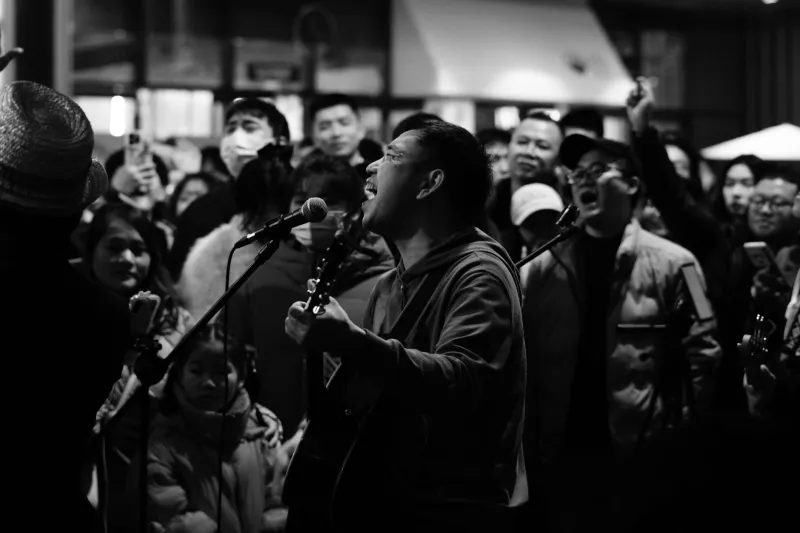
The Strangest People Showed Up First: On Finding Your Crowd in the Unlikeliest Places

The Strangest People Showed Up First: On Finding Your Crowd in the Unlikeliest Places

The people who care most about your work probably aren't who you imagined when you started making it. They're lurking in corners of the internet you haven't visited yet, and they found you through a door you didn't know you'd left open. Here's what that means for how you think about audience, community, and the whole idea of 'building a following.'

The Weird Corner of Your Work Is Where Your Real Audience Lives

The Weird Corner of Your Work Is Where Your Real Audience Lives

Most creators spend years chasing the center, trying to make work that appeals to everyone and wondering why it resonates with almost no one. The truth is, your strangest instincts aren't liabilities — they're the exact frequency your people are tuned to.

They Were Already There: How to Spot the People Who Actually Get Your Work

They Were Already There: How to Spot the People Who Actually Get Your Work

Most creators spend so much energy chasing bigger numbers that they completely miss the quiet signals from the people who already care. Learning to recognize your real audience — not the one you're performing for, but the one that genuinely connects — changes everything about why and how you make things.

Your Old Work Is Talking. Are You Listening?

Your Old Work Is Talking. Are You Listening?

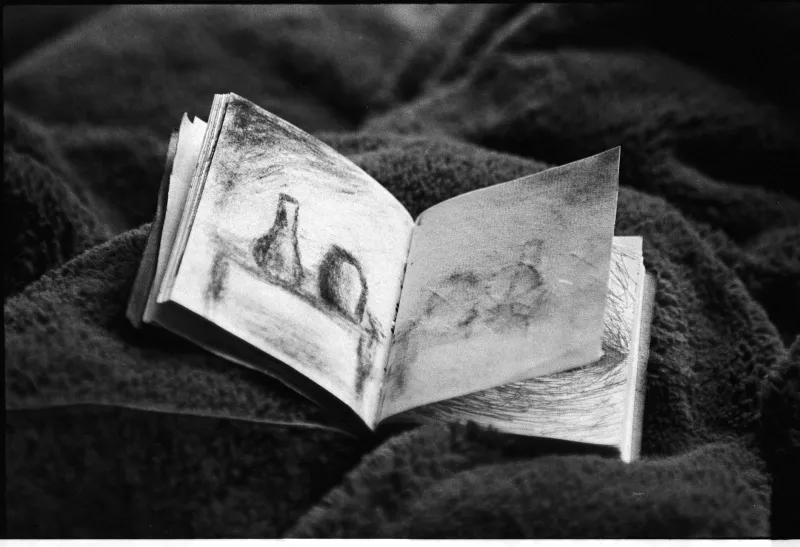
Dig through your old sketchbooks, half-finished screenplays, or teenage journal entries and something strange happens — you start recognizing yourself in ways your mirror never shows. Your past creative work isn't just history. It's a conversation you've been having with yourself all along, and it has a lot left to say.

Version 2.0: How Your Biggest Creative Flops Are Actually Unfinished Business

Version 2.0: How Your Biggest Creative Flops Are Actually Unfinished Business

That project you quietly shelved because it didn't land? It might be the most valuable thing in your archive. Revisiting old failures with fresh eyes and a different approach isn't giving up on new ideas — it's doing something smarter with the ones you've already paid for in time and effort.

Half-Built and Honest: What Your Unfinished Work Is Actually Saying

Half-Built and Honest: What Your Unfinished Work Is Actually Saying

There's a version of your work that exists before the polish, before the second-guessing, before you've smoothed every rough edge into something presentable. That version might be the most truthful thing you've ever made. Here's why leaning into incompleteness isn't a creative failure — it's a creative choice.

Stop Making Art for Everyone — It's Killing What Makes You Interesting

Stop Making Art for Everyone — It's Killing What Makes You Interesting

There's a slow, quiet way to ruin your creative voice, and it doesn't look like failure — it looks like trying really hard to be liked. The more you sand down your edges to fit everyone's taste, the less there is of you left to actually find. Here's what happens when you stop accommodating and start committing.

Winning Feels Wrong: The Strange Guilt of Getting the Recognition You Wanted

Winning Feels Wrong: The Strange Guilt of Getting the Recognition You Wanted

You worked hard, something landed, and now people are paying attention — so why does it feel like you're getting away with something? The psychological whiplash of unexpected success is real, and it hits creators harder than most people expect. Here's why the validation you chased can suddenly feel like the most terrifying thing that's ever happened to you.

When Two Voices Become One Muddy Sound: Protecting Your Vision in Collaborative Work

When Two Voices Become One Muddy Sound: Protecting Your Vision in Collaborative Work

Collaboration sounds great on paper — two creative minds, shared labor, broader reach. But sometimes the thing you make together bears no resemblance to the thing you set out to make alone. Knowing when to say yes, when to pump the brakes, and when to walk away entirely might be the most underrated skill a creator can develop.

When the Critic in the Room Is Actually Right: Making Peace With the Feedback That Stings

When the Critic in the Room Is Actually Right: Making Peace With the Feedback That Stings

Not all criticism is created equal, and learning to tell the difference between noise and signal might be the most underrated skill a creator can develop. The feedback that makes you want to close your laptop and walk into the ocean? That's often worth sitting with. Here's how to figure out when the harsh voice in the room is actually pointing you somewhere important.

Good and Scared: The Case for Chasing Projects That Make Your Stomach Drop

Good and Scared: The Case for Chasing Projects That Make Your Stomach Drop

There's a particular kind of dread that shows up right before you start something that actually matters — and it turns out that feeling might be the most reliable compass you have. Learning to read your own fear is one of the most underrated creative skills out there. Here's how to stop running from it and start using it.

The Work That Flopped Taught Me More Than Anything That Worked

The Work That Flopped Taught Me More Than Anything That Worked

We love a good origin story, but we tend to skip the part where the creator got it completely wrong for a while. This is a case for sitting with your failures instead of burying them—and a genuine argument that the projects that didn't land are probably the most useful things in your archive. Here's how to actually mine them for something worthwhile.

No Lane, No Problem: The Rise of Creators Who Refuse to Pick Just One Thing

No Lane, No Problem: The Rise of Creators Who Refuse to Pick Just One Thing

The old model — pick a medium, master it, repeat — is quietly giving way to something messier, more interesting, and arguably more sustainable. Meet the hybrid storytellers building careers that don't fit on a single business card, and find out what they know that the rest of us are still figuring out.